In this issue of Tarka, On Power, we explore the concept of power from multiple socio-political and contemplative angles. The editors of Tarka and its publisher, Embodied Philosophy, are delighted to share this timely issue following an extended hiatus. As you explore the issue, in the spirit of contemplation and personal reflection, we invite all who practice within contemplative traditions – or who inhabit them as ‘scholar-practitioners’ – to consider some questions along the way. In terms of outward-oriented power, we ask: What kind of power does your practice cultivate? Who benefits from it? Who is silenced by it? When does empowerment become domination? When does surrender become complicity? When does authority become a responsibility? In terms of inward-oriented power, we ask: What is the quality of awareness one can bring to the experience of power — its seductions, its somatic contractions, its subtle distortions? Where in your body do you feel the difference between power that liberates and power that binds? And perhaps most searchingly: what would your practice look like if it were truly in service of awakening — not for personal gain, institutional allegiance, or ideology — but for the happiness and flourishing of all beings?
In this issue of Tarka, On Power, we explore the concept of power from multiple socio-political and contemplative angles. The editors of Tarka and its publisher, Embodied Philosophy, are delighted to share this timely issue following an extended hiatus. As you explore the issue, in the spirit of contemplation and personal reflection, we invite all who practice within contemplative traditions – or who inhabit them as ‘scholar-practitioners’ – to consider some questions along the way. In terms of outward-oriented power, we ask: What kind of power does your practice cultivate? Who benefits from it? Who is silenced by it? When does empowerment become domination? When does surrender become complicity? When does authority become a responsibility? In terms of inward-oriented power, we ask: What is the quality of awareness one can bring to the experience of power — its seductions, its somatic contractions, its subtle distortions? Where in your body do you feel the difference between power that liberates and power that binds? And perhaps most searchingly: what would your practice look like if it were truly in service of awakening — not for personal gain, institutional allegiance, or ideology — but for the happiness and flourishing of all beings?

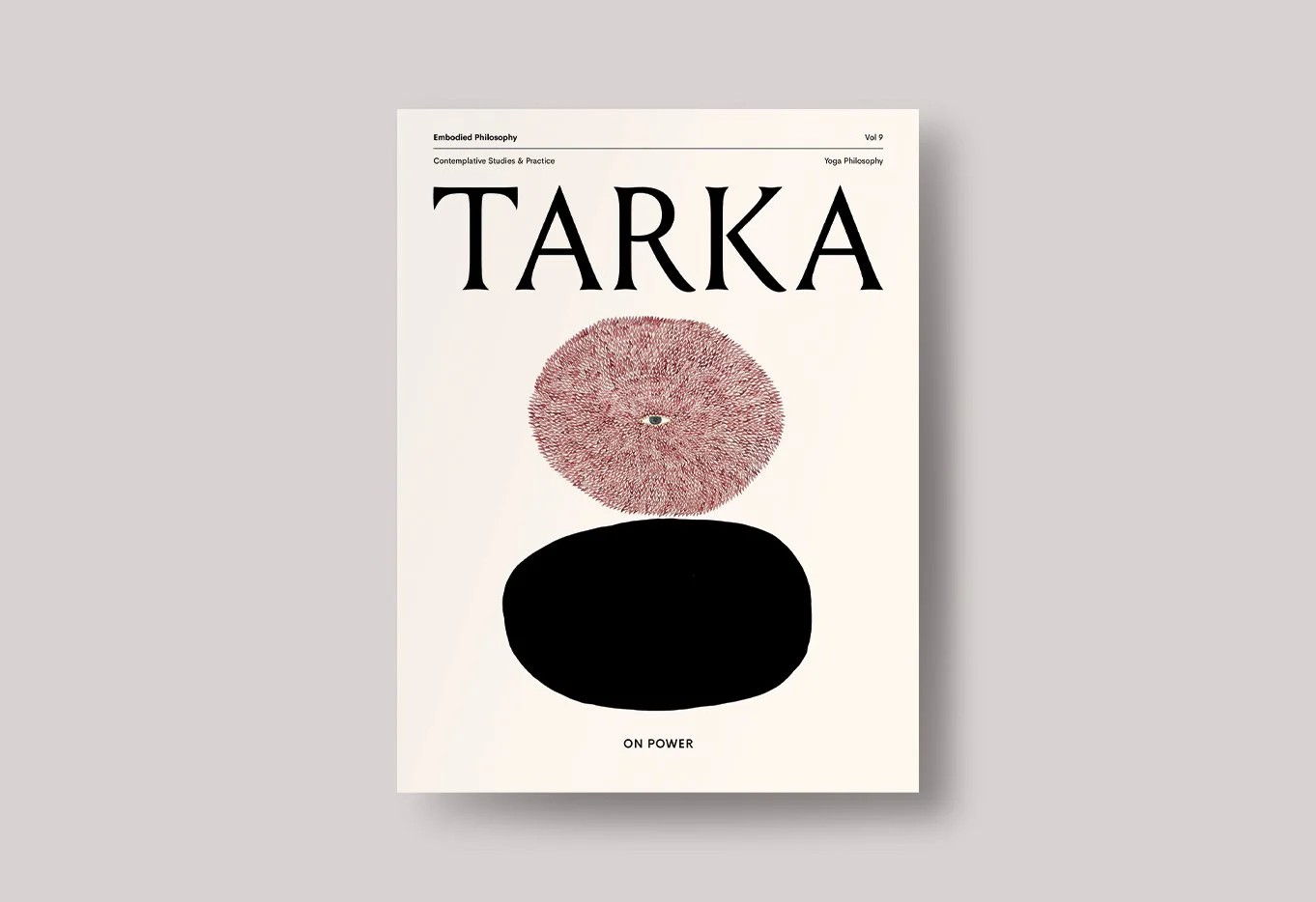 Image 1 of 7
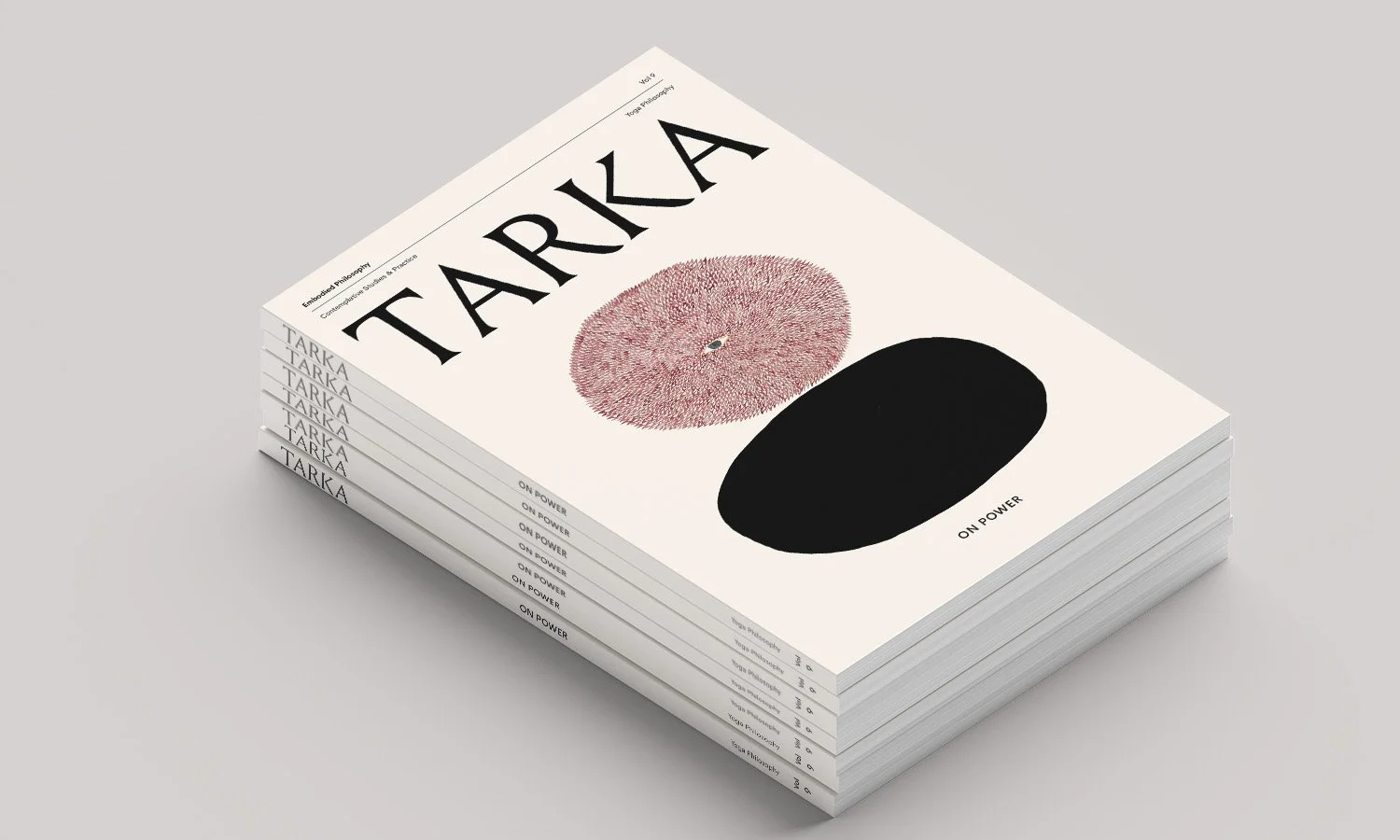 Image 2 of 7
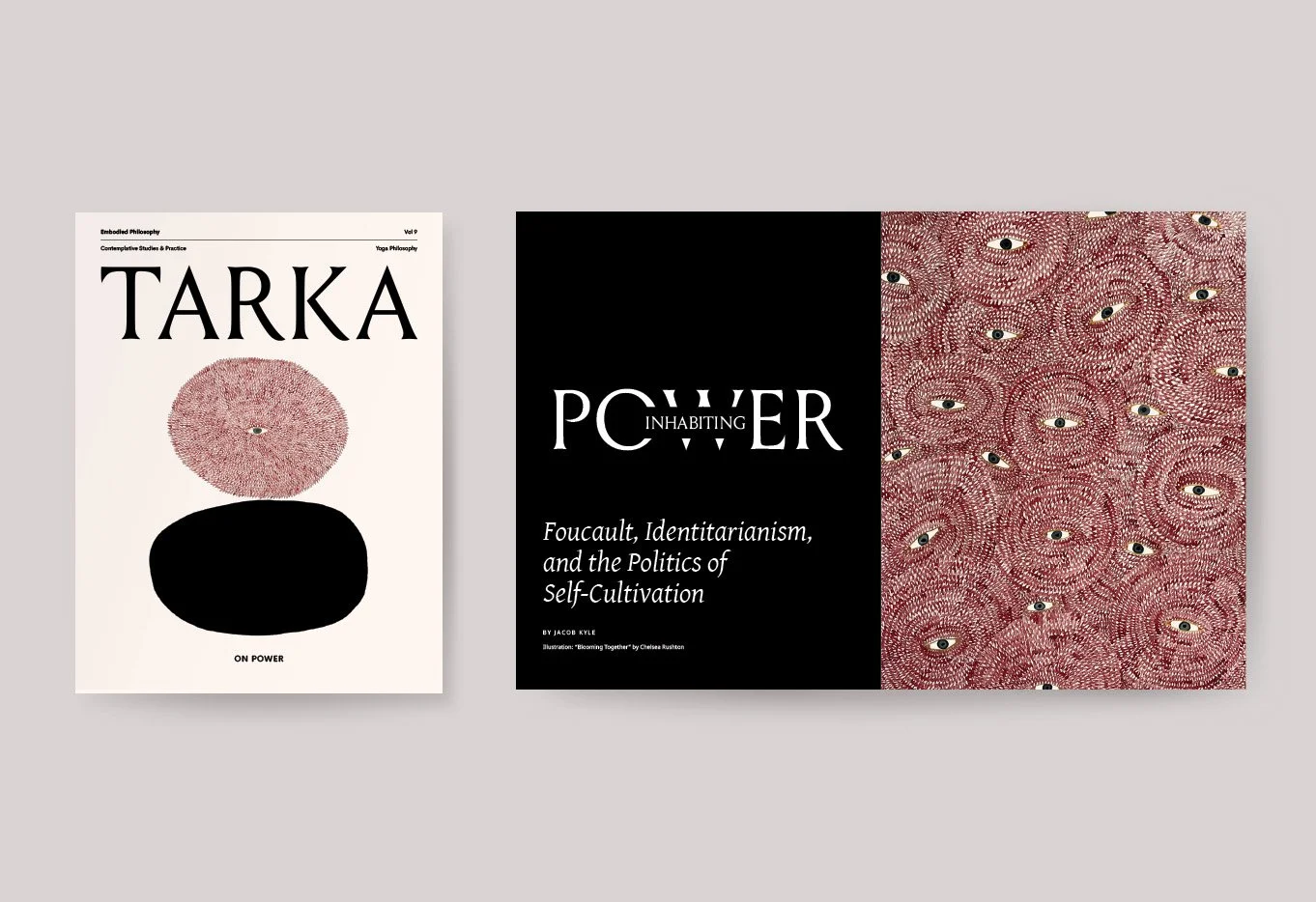 Image 3 of 7
 Image 4 of 7
 Image 5 of 7
 Image 6 of 7
 Image 7 of 7